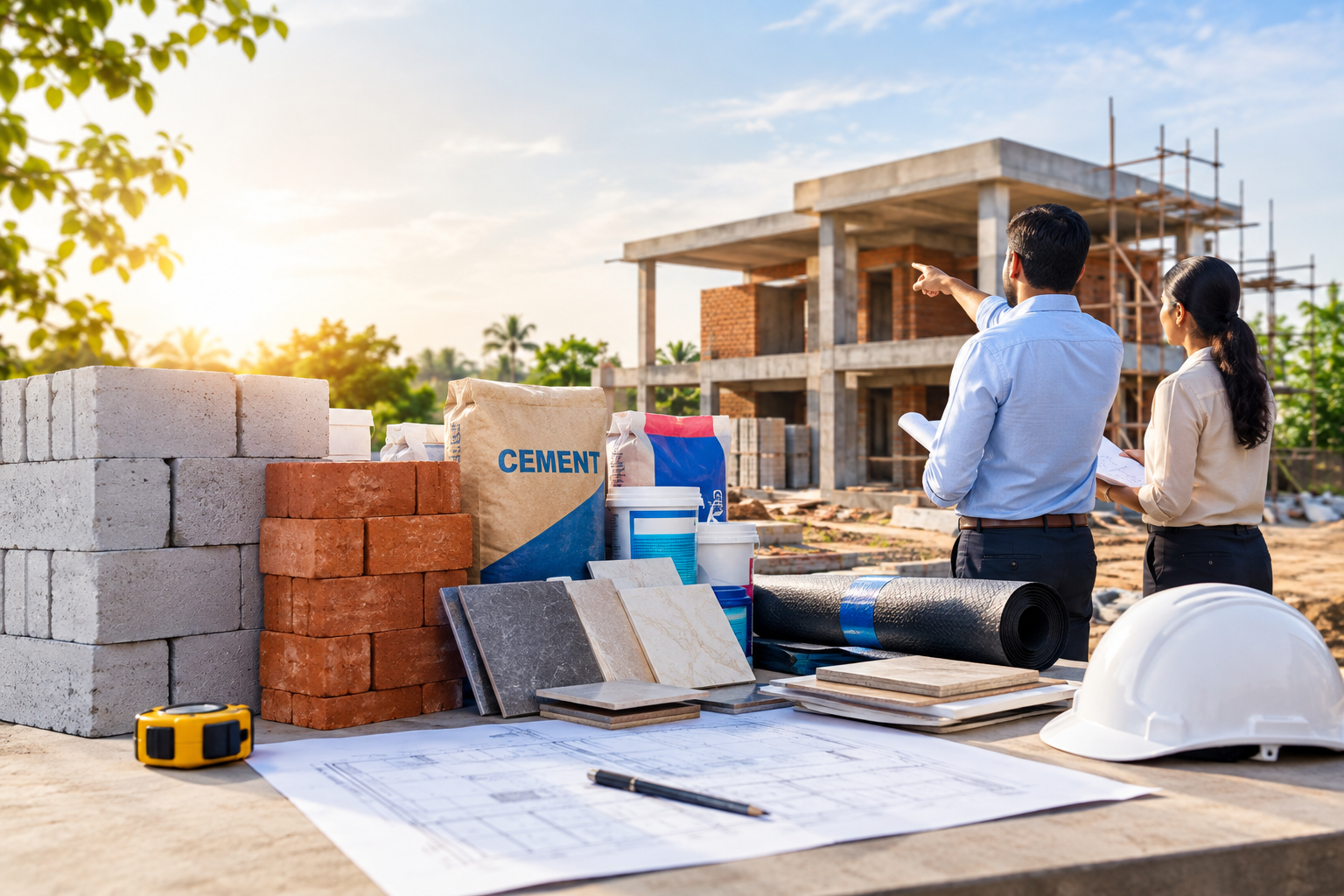
Building a home is one of the biggest investments you will make, and choosing the right building materials plays an important role in creating a strong, durable, and comfortable space. From the foundation and structural work to walls, flooring, waterproofing, and finishing, every stage of construction requires materials that suit the project and its specific requirements.
With so many products, brands, sizes, and specifications available today, selecting the right material can sometimes feel overwhelming. Understanding what to look for before making a purchase can help you make informed decisions and avoid unnecessary costs during construction.
Start With the Requirements of Your Project
Every construction project is different. A residential home, commercial building, renovation project, and small extension may require different materials and solutions.
Before choosing any product, consider the type of construction, the location, the intended application, the environmental conditions, and the stage of the project. Materials suitable for structural construction may not be suitable for finishing work, while products designed for interior applications may have different requirements from those used outdoors.
Having a clear understanding of your project helps narrow down the available options and makes it easier to select products that are appropriate for the intended use.
Choosing the Right Cement
Cement is one of the most important materials used throughout construction. It is involved in concrete, mortar, plastering, masonry, flooring, and several other applications.
When selecting cement, it is important to consider the intended application and follow the recommendations of your engineer, contractor, or construction professional. Different types and grades may be suited to different construction requirements.
Storage is equally important. Cement should be kept in a dry location and protected from moisture. Proper handling and storage help maintain the quality of the material until it is ready to be used.
Selecting Bricks and Blocks
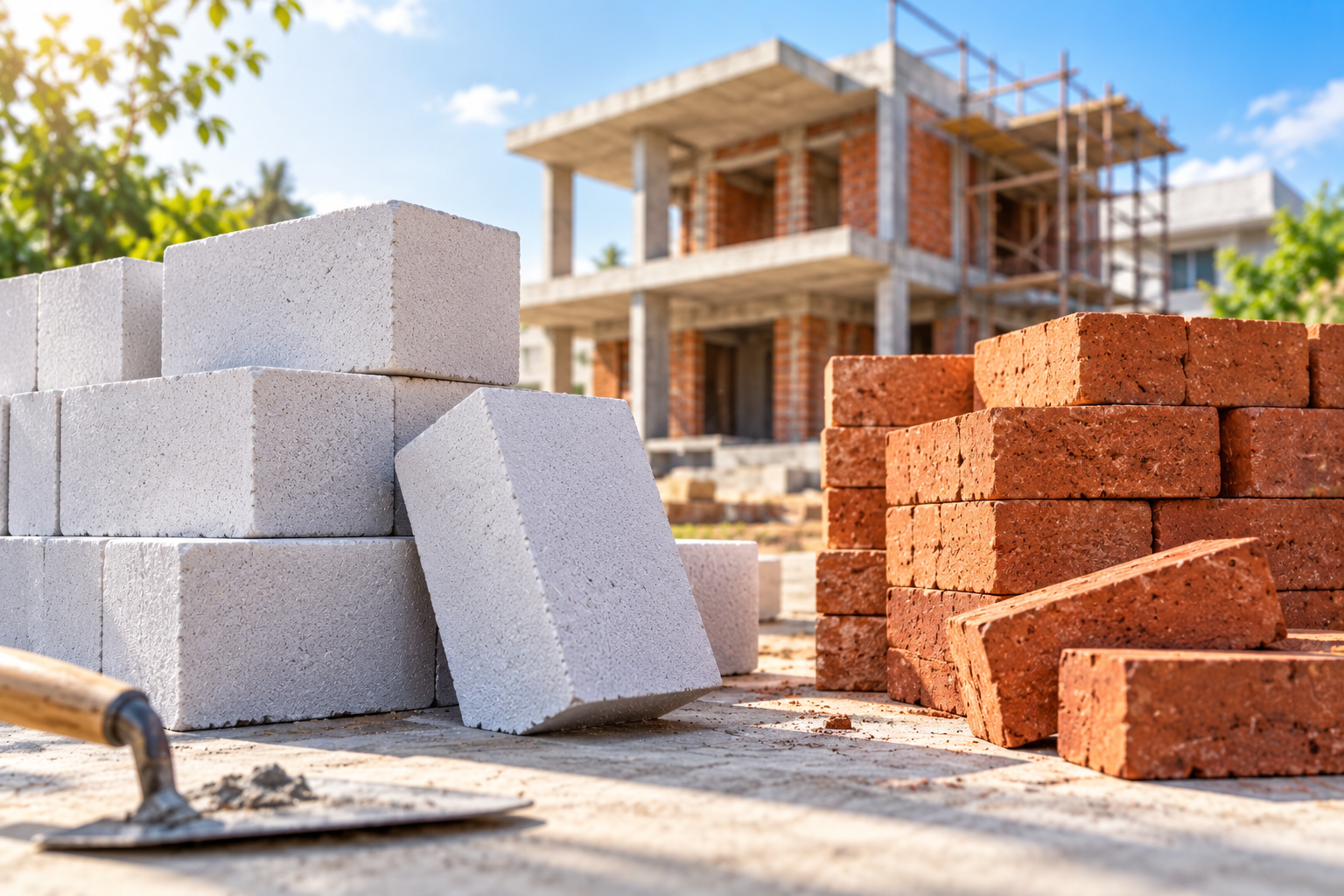
Bricks and blocks form an important part of walls and other masonry applications. The choice between traditional bricks, concrete blocks, AAC blocks, or other masonry products depends on factors such as structural requirements, wall design, handling, installation, and the overall construction system.
AAC blocks, for example, are lightweight and designed for easier handling compared with many conventional masonry materials. Traditional bricks remain widely used for various residential and construction applications.
Rather than choosing a material simply because it is popular, consider the requirements of the building and discuss the suitable option with your construction professional.
Understanding Tile Adhesives
Tiles are an important part of modern construction, particularly for kitchens, bathrooms, living spaces, balconies, and exterior areas. However, selecting the right tile is only one part of achieving a good installation.
The adhesive used for fixing tiles also plays an important role.
Different tile types, sizes, surfaces, and installation locations may require different adhesive solutions. Wall tiles, floor tiles, large-format tiles, and tiles used in areas exposed to moisture can have different installation requirements.
Using an appropriate tile adhesive can make installation more efficient and help achieve a consistent finish. Always follow the manufacturer’s recommended application method, surface preparation requirements, mixing instructions, and curing guidelines.
Don’t Overlook Grout
Grout is often treated as a small finishing detail, but it contributes to the overall appearance and functionality of a tiled surface.
The right grout colour can complement the tile design, while the appropriate grout solution can help create clean and consistent joints. For areas exposed to moisture or demanding conditions, selecting a suitable grout system becomes even more important.
Before choosing grout, consider the tile type, joint width, location, colour requirements, and expected exposure to moisture or regular cleaning.
Waterproofing Matters
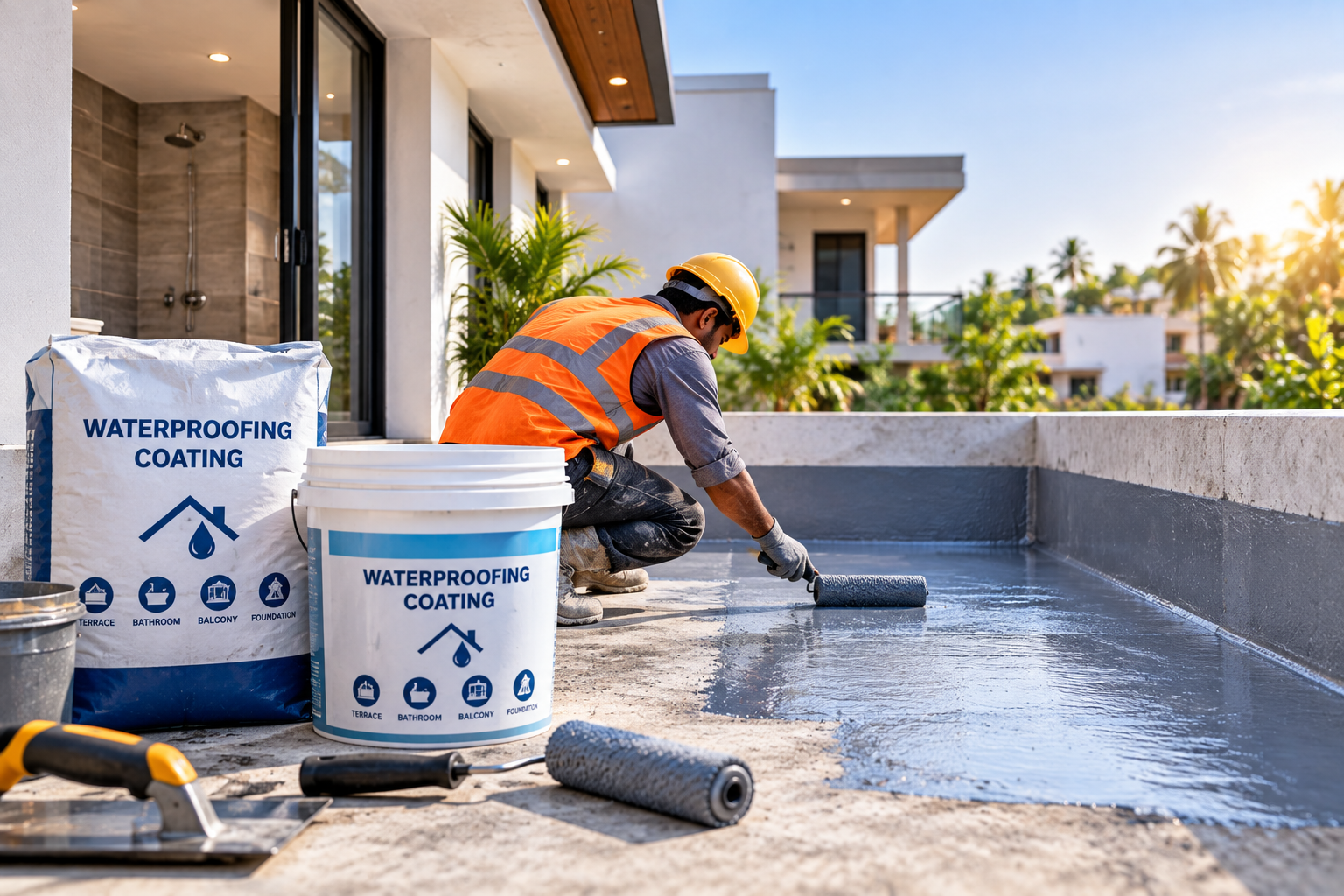
Water can create long-term problems when moisture enters areas where it should not. Terraces, bathrooms, balconies, kitchens, foundations, and other moisture-prone areas may require appropriate waterproofing solutions.
Waterproofing should ideally be considered during the planning stage rather than only after a leakage problem appears.
Different waterproofing products are designed for different applications. Liquid waterproofing systems, coatings, sealants, and other solutions may have specific preparation and application requirements.
The condition of the surface, method of application, number of coats, drying time, and environmental conditions can all influence the result. Following the product manufacturer’s instructions and working with experienced professionals is essential.
Consider the Complete Construction System
One common mistake is selecting individual products without considering how they work together.
For example, a wall construction system may involve blocks, mortar or block adhesive, plastering materials, waterproofing solutions, and finishing products. Similarly, a tiled area may require surface preparation, tile adhesive, tiles, grout, and suitable waterproofing depending on the application.
Thinking about the complete system helps ensure that the products selected are appropriate for each stage of the work.
Choose Trusted Brands
Construction materials directly influence the quality of the finished project, so the source and consistency of the products matter.
Established brands often provide product information, application instructions, technical guidance, and defined usage recommendations. Purchasing through a reliable supplier can also make it easier to identify the right product and obtain support when required.
At Lakshmi Associates, customers can explore a wide range of construction materials and building solutions from trusted brands, covering different stages of residential and project construction.
Consider Storage and Handling
Even a good-quality product can be affected by improper storage or handling.
Cement and other powder-based products should be protected from moisture. Tiles and other fragile materials should be stored carefully to reduce the possibility of damage. Liquid products should be stored according to their recommended conditions, while bags, containers, and packaging should remain properly sealed until use.
Proper storage also helps keep the worksite organized and reduces material wastage.
Think About Long-Term Value
The lowest initial price is not always the only factor worth considering when selecting a construction material.
Material quality, suitability for the application, ease of installation, wastage, maintenance requirements, durability, and availability can all influence the overall value of a product.
A material that is appropriate for the application and installed correctly can help avoid unnecessary rework and replacement costs later.
Get Professional Guidance When Needed
If you are unsure about which product to choose, speaking with a construction professional or knowledgeable material supplier can help.
Share details such as the type of project, application area, surface condition, tile or block type, required quantity, and environmental exposure. These details can help narrow down suitable options.
Product packaging and manufacturer instructions should also be checked carefully before use. For technical or structural decisions, always follow the advice of the qualified engineer, architect, or contractor handling the project.
Build With the Right Materials
A successful construction project is not based on a single material. It comes from making the right decisions at every stage — from structural materials and masonry products to tile adhesives, grouts, waterproofing systems, and finishing solutions.
Choosing products based on the actual requirements of your project, purchasing from reliable sources, following proper installation practices, and getting professional guidance when required can help create a stronger and more dependable result.
At Lakshmi Associates, our goal is to make it easier for homeowners, builders, contractors, and project professionals to find quality construction materials and practical building solutions in one place.
From foundation to finish, choosing the right materials is an important step toward building better.

 29Jul
29Jul
Comments are closed