Choosing the right masonry material is an important decision when building a home or other structure. AAC blocks and traditional clay bricks are both widely used for wall construction, but they differ in weight, handling, installation, dimensions, and other practical considerations.
Understanding these differences can help homeowners, builders, and contractors choose a material that suits their project requirements.
What Are AAC Blocks?
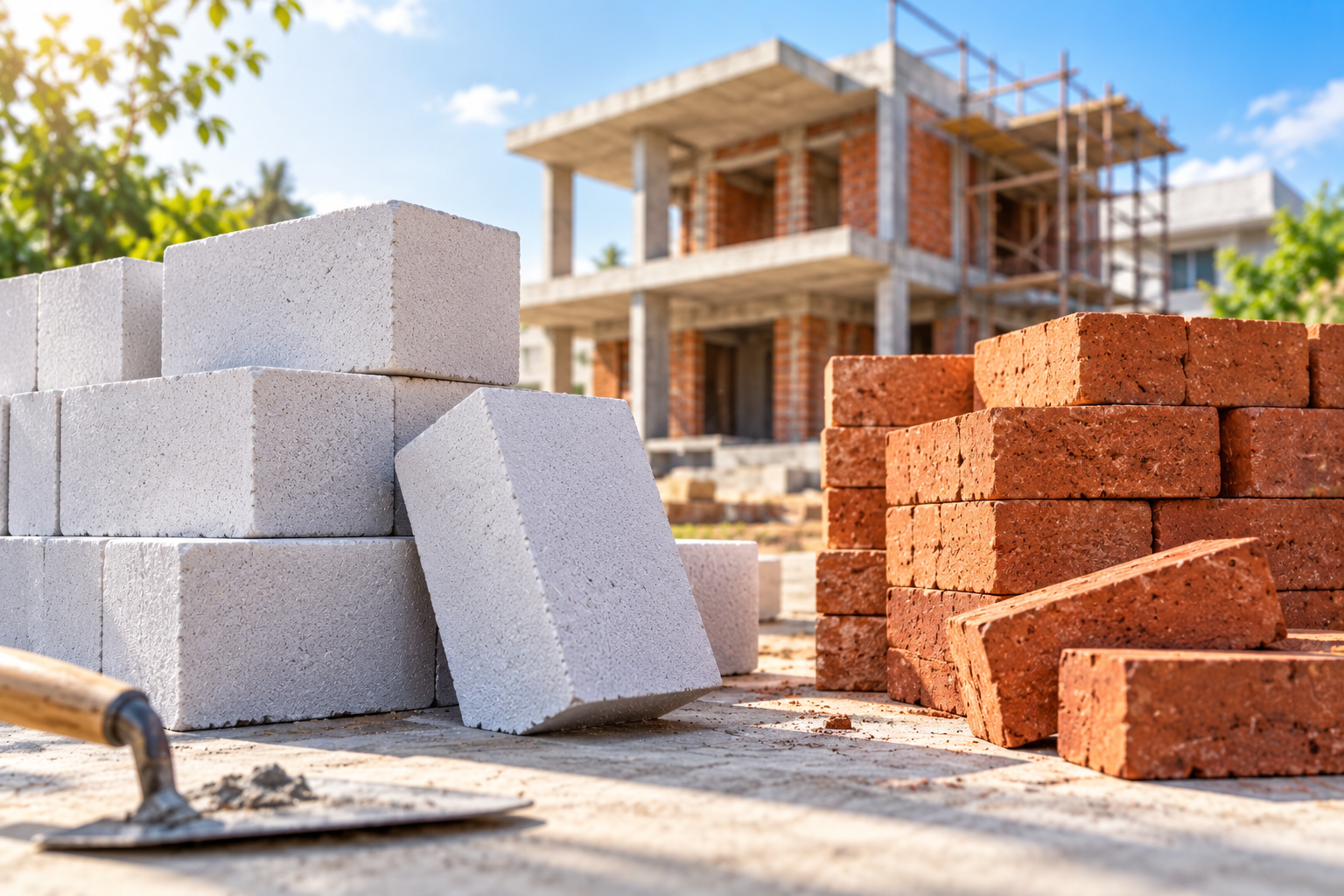
AAC stands for Autoclaved Aerated Concrete. AAC blocks are lightweight masonry units manufactured using materials such as cement, sand, lime, gypsum, water, and an aerating agent. The manufacturing process creates a cellular structure containing numerous small air pockets, making the blocks considerably lighter than many conventional masonry units.
Their larger size can also help cover more wall area with fewer individual units, which can make handling and installation more convenient.
What Are Traditional Bricks?
Traditional clay bricks are commonly produced by shaping and firing suitable clay at high temperatures. They have been used for construction for generations and remain a familiar choice for residential and commercial masonry work.
Their relatively smaller size allows builders to work with established bricklaying methods, and they are available in many local markets.
Weight and Handling
One of the most noticeable differences between AAC blocks and traditional bricks is their weight.
AAC blocks are designed to be lightweight, which can make them easier to handle and move around a construction site. Their larger dimensions can also reduce the number of individual units required for a particular wall area.
Traditional bricks are smaller and generally heavier for the same wall volume, meaning more individual units may be required and handled during masonry work.
For projects where ease of handling and faster material movement are important considerations, the weight of the masonry material can be worth evaluating.
Size and Wall Construction
AAC blocks are generally larger than traditional bricks. Because of their larger dimensions, fewer blocks may be needed to construct a wall of a given area.
Traditional bricks, being smaller, require more individual units and mortar joints.
The choice can therefore influence the way masonry work is planned and carried out. However, the actual construction method should always follow the recommendations of the project engineer or construction professional.
Installation and Adhesive Requirements
AAC blocks are commonly installed using suitable block adhesive rather than conventional thick mortar joints. The appropriate adhesive helps create thinner joints when used according to the manufacturer’s recommendations.
Traditional bricks are commonly laid using cement-based mortar.
The correct product should always be selected based on the specific masonry material and application. Using an unsuitable adhesive or mortar can affect installation quality.
Thermal Performance
The cellular structure of AAC blocks can provide thermal insulation properties because of the air contained within the material.
This can be useful when considering the thermal behaviour of a building, particularly in warm climates.
Traditional clay bricks also provide thermal mass and can contribute to the thermal characteristics of a building. However, actual indoor comfort depends on many factors, including wall thickness, orientation, ventilation, insulation, windows, roofing, and overall building design.
Fire Resistance
AAC is a mineral-based material and is generally recognized for its fire-resistant characteristics. Traditional clay bricks are also non-combustible and have long been used in fire-resistant construction assemblies.
The actual fire performance of a wall depends on the complete wall system, thickness, construction method, and applicable standards.
For projects with specific fire-resistance requirements, the relevant technical specifications should always be checked.
Accuracy and Surface Finish
AAC blocks are manufactured to relatively consistent dimensions, which can help create uniform masonry when installed correctly.
Traditional bricks can also provide good masonry work when properly selected and laid, although dimensional variations may occur depending on the manufacturing process and product.
The final wall finish will depend not only on the masonry unit but also on workmanship, jointing, plastering, and surface preparation.
Material Availability
Availability is another practical consideration.
Traditional bricks are commonly available through local construction-material suppliers and are familiar to many masons.
AAC blocks have also become increasingly common and are available in many construction markets, but availability can vary depending on location and supplier network.
Choosing a material that can be consistently sourced throughout the project can make planning easier.
Cost Considerations
Comparing only the price of one brick with the price of one AAC block does not provide a complete cost comparison.
The overall cost can include:
- Material quantity
- Transportation
- Handling
- Mortar or adhesive
- Labour
- Installation time
- Plastering requirements
- Wastage
- Site conditions
A larger AAC block may have a higher price per unit but cover more wall area. Similarly, traditional bricks may have a lower unit cost but require more units and potentially more mortar.
The best way to compare costs is to evaluate the complete masonry system for the specific project.
Which One Should You Choose?
There is no single answer that applies to every construction project.
AAC blocks may be considered when lightweight construction, larger masonry units, easier handling, and thermal characteristics are important factors.
Traditional bricks may be suitable when local availability, familiar construction practices, and established masonry methods are priorities.
The final decision should take into account the building design, structural requirements, local climate, availability, installation method, budget, and recommendations from the project’s qualified professionals.
Don’t Forget the Supporting Materials
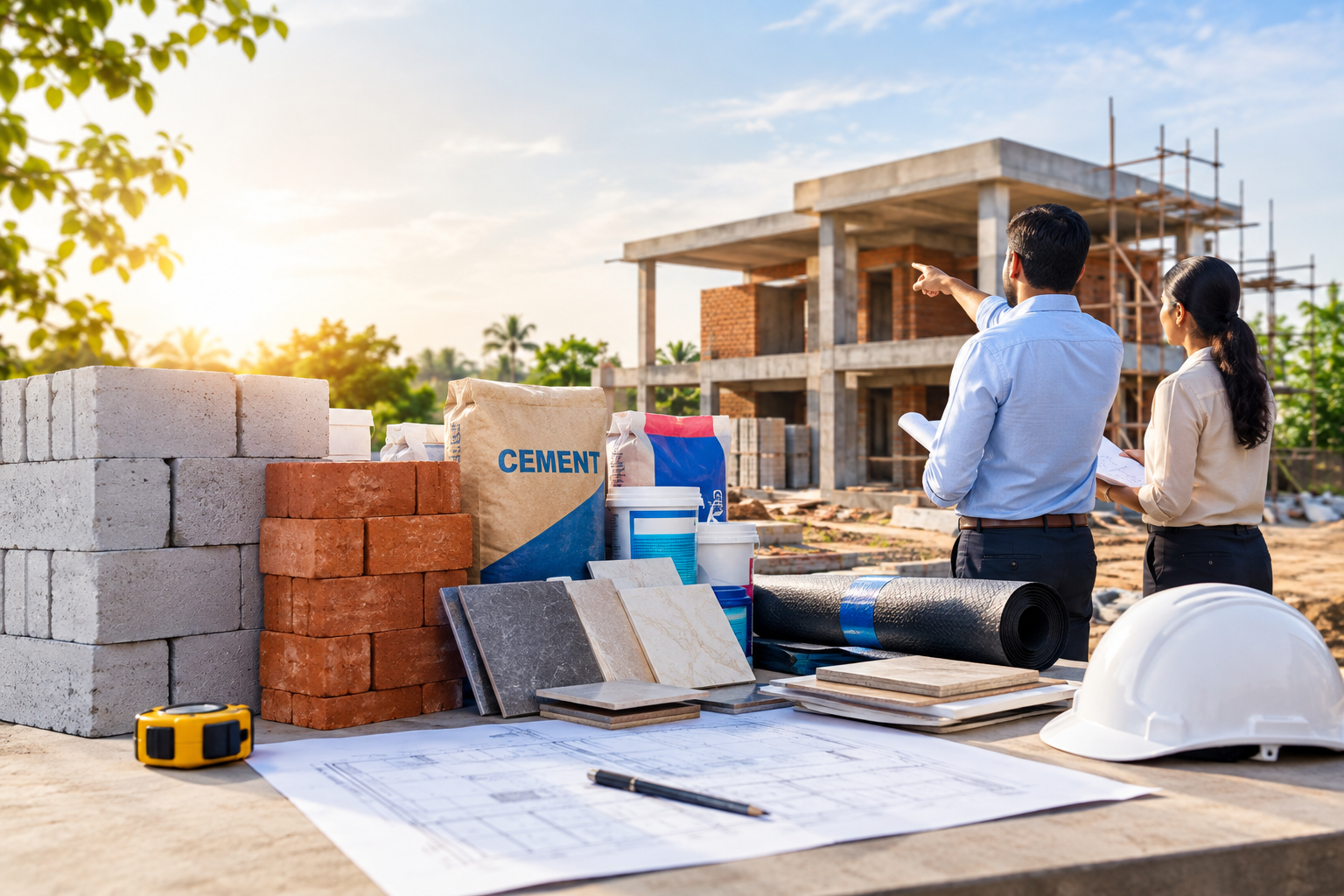
Whichever masonry material you choose, the supporting materials also matter.
For AAC blocks, selecting an appropriate block adhesive is important. For brick masonry, the correct mortar mix and application method should be followed.
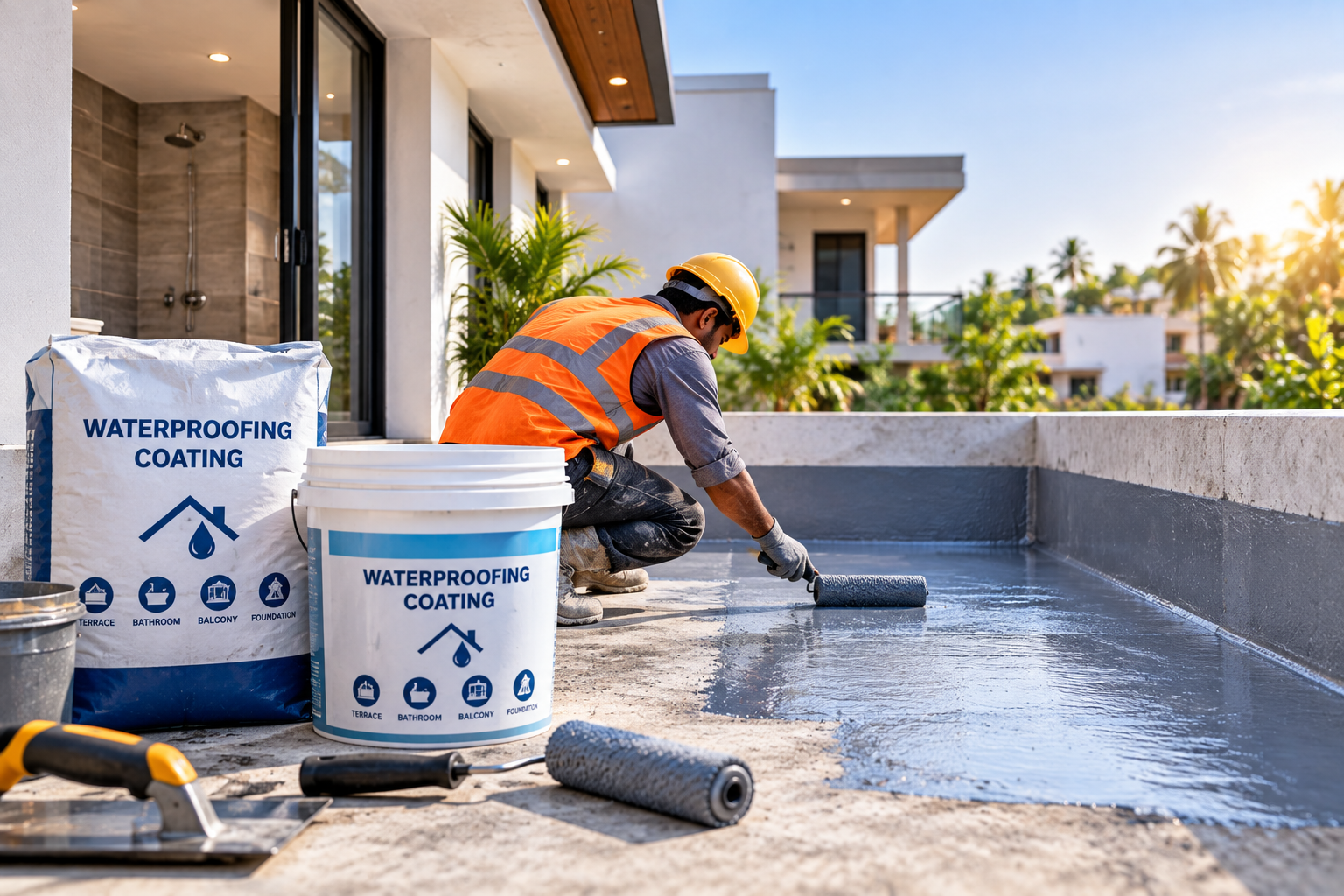
After masonry work, plastering, waterproofing, tiling, and finishing products may also be required depending on the project.
Thinking about these materials as part of one complete construction system can help improve planning and reduce compatibility issues.
Build With the Right Choice
AAC blocks and traditional bricks both have their place in modern construction. The right choice depends on the specific requirements of the building rather than simply choosing one material for every project.
Consider the complete installation process, material availability, handling, labour, performance requirements, and long-term needs before making a decision.
With the right material and proper installation, every stage of construction can contribute to creating a stronger, more comfortable, and dependable space.

 29Jul
29Jul
Comments are closed